
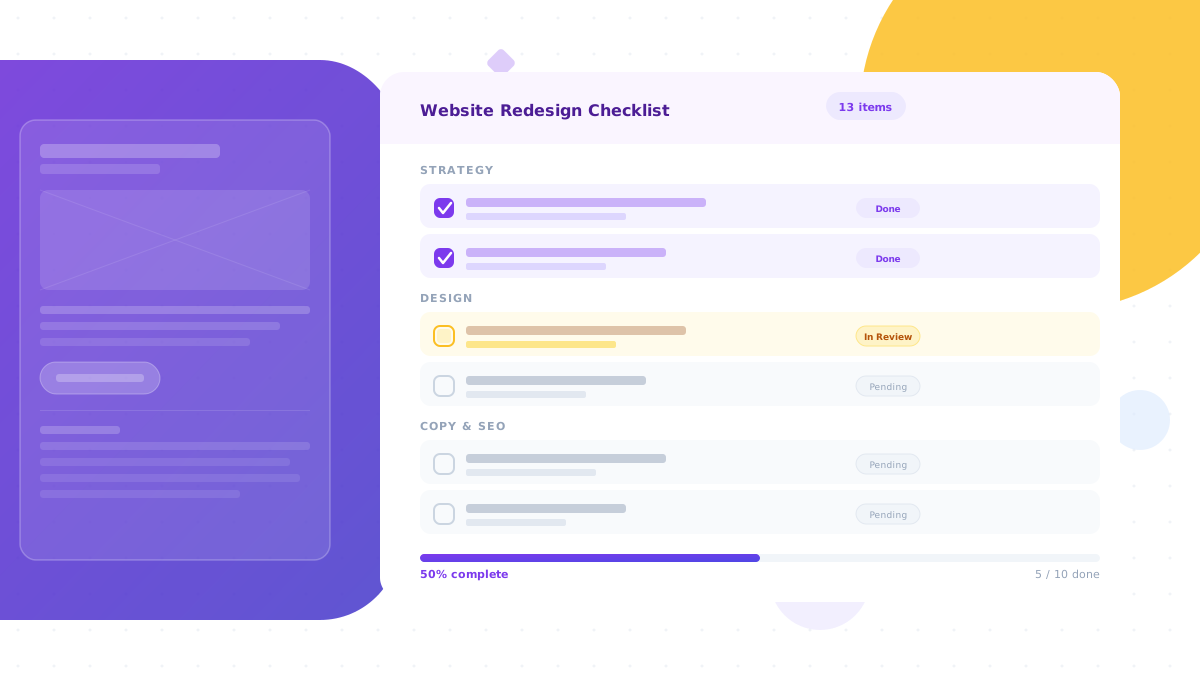
Most website redesign projects do not fail because of design. They fail because the brief was unclear, the goals were vague, the content was not ready, or the business did not know what it wanted the website to do until halfway through the project.
Arriving prepared for a redesign conversation does not mean having all the answers. It means having thought through the right questions. The clearer you are going in, the better the outcome — and the less time and budget gets spent on back-and-forth that could have been avoided.
This checklist covers what to prepare before you hire a website designer.
Know why you are redesigning
This sounds obvious, but most businesses start with "our website looks old" and stop there. That is a symptom, not a goal. Before engaging anyone, be clear on the actual reason:
- The website is not generating enquiries or leads
- It does not represent the current business accurately
- It works poorly on mobile
- The services or offer have changed significantly
- A rebrand is underway and the website needs to follow
- Competitors look significantly more professional
Knowing the real reason helps the designer understand what success looks like — which is very different from "make it look nicer."
Review what is not working now
Spend time honestly auditing your current website before you replace it. Which pages get traffic but convert poorly? Where do visitors drop off? What do customers ask about that the website never answers? What feedback have you received, directly or indirectly, about the site?
If you have access to Google Analytics or Search Console, look at which pages are performing — these are worth preserving and improving rather than discarding. A redesign that removes well-performing content can hurt your search visibility significantly.
Before You Redesign
Make a list of the pages that currently rank in Google search results. Tell your designer which URLs need to be preserved or properly redirected in the new site. Losing these silently is one of the most common and avoidable redesign mistakes.
Define your website goals
What do you want the redesigned website to do? Be specific. "Look more professional" is not a goal. These are goals:
- Generate at least five qualified enquiries per month through the contact form
- Clearly communicate our three main services with outcome-focused descriptions
- Make it easy for visitors to WhatsApp us directly from mobile
- Showcase our portfolio in a way that builds immediate credibility
Specific goals allow the designer to make better decisions at every step — from structure to copywriting to which sections to prioritise.
Clarify your audience
Who is this website for? Describe your ideal visitor — their role, their situation, what they are looking for when they find you, and what they need to see to feel confident enough to enquire.
If your business serves multiple audience types, identify the primary one. A website that tries to speak to everyone equally usually ends up speaking to no one clearly.
Prepare your services and offers
Before the redesign starts, confirm that your service list is accurate and complete. Many businesses redesign their website and then realise mid-project that their offer has changed, a service has been dropped, or they want to add something new. Each of these changes adds time and cost.
For each service, prepare: a clear name, one or two sentences describing who it is for and what it delivers, and any supporting details like pricing range, process or outcome.
Collect your brand assets
Gather everything a designer will need before the project starts:
- Logo files in vector format (SVG or AI preferred, PNG as a minimum)
- Brand colour codes if defined
- Any existing typography or font guidelines
- High-quality photos of your team, workspace or products
- Any brand guidelines document, even a basic one
If your brand assets are inconsistent or missing, flag this early. A redesign built on a weak brand foundation will continue to look fragmented.
Prepare your copy or key messages
Content is usually the biggest bottleneck in any redesign project. Designers can build the structure, but the words need to come from you — or from a copywriter who understands your business.
At minimum, prepare: your main headline and positioning statement, a short company description, service descriptions, an about section covering who you are and why it matters, and the key action you want visitors to take.
If copywriting is not your strength, this is worth investing in separately. Good copy in a clean design will outperform clever design with weak copy every time.
Gather your trust signals
Compile everything that demonstrates your credibility:
- Portfolio images or screenshots of past work
- Client testimonials with real names and context
- Logos of brands or businesses you have worked with
- Any media mentions, awards or certifications
These elements significantly affect whether visitors trust your business enough to enquire. Having them ready means they can be designed into the site properly, not added as an afterthought.
Prepare reference websites
Find two or three websites you admire and note specifically what you like about each — the layout, the tone, the way services are presented, the overall feel. This gives the designer a clearer direction than "I want it to look modern."
Be equally specific about what you do not want. "I do not want it to look too corporate" or "I want it to feel warmer than this" are useful directions.
Quick-reference checklist
Before your first designer meeting
- Written down the real reason for the redesign
- Identified what is not working on the current site
- Listed specific website goals
- Described the primary target audience
- Confirmed and listed all current services and offers
- Logo and brand asset files gathered
- Key messages or homepage copy drafted or planned
- Testimonials and portfolio examples collected
- Contact details and preferred CTA action confirmed
- List of pages that rank in Google (to preserve/redirect)
- Two or three reference website links with notes
Ringkasan Bahasa Melayu
Ramai bisnes terus hire designer tanpa tahu betul-betul apa yang mereka nak. Lepas tu projek jadi lambat, kos melambung, dan hasilnya pun tak seperti yang diharapkan.
Sebelum mula semula, ambil masa untuk kenal pasti tujuan website baru, siapa target pelanggan, servis apa yang nak ditampilkan, dan hala tuju brand anda.
Bila anda datang dengan perancangan yang jelas, kerja dengan designer jadi lebih mudah, lebih pantas, dan hasilnya lebih memuaskan untuk semua pihak.
Industry Note
Google Search Central's documentation on site migrations and redirects notes that failing to set up proper 301 redirects during a redesign can result in significant, temporary loss of search rankings — even when the new site is technically superior. URL structure changes, missing redirects and altered internal linking are among the most common post-redesign SEO issues that take months to recover from. Planning this before the redesign begins can prevent the problem entirely.
MuckaMedia Take
A good redesign is not just a new look. It is a chance to improve how your business is presented, how your services are explained and how visitors are guided towards action.
The businesses that get the most from a redesign are the ones who arrive with clarity about what they want it to achieve — not just what they want it to look like.
Planning to redesign your website?
MuckaMedia helps brands turn messy ideas, old websites and unclear content into modern digital experiences that feel alive and business-ready.
Start Your Website Project →